£37.8m UK Government Local Growth Fund provides Green Light for Major New Housing and Green Skills Hubs
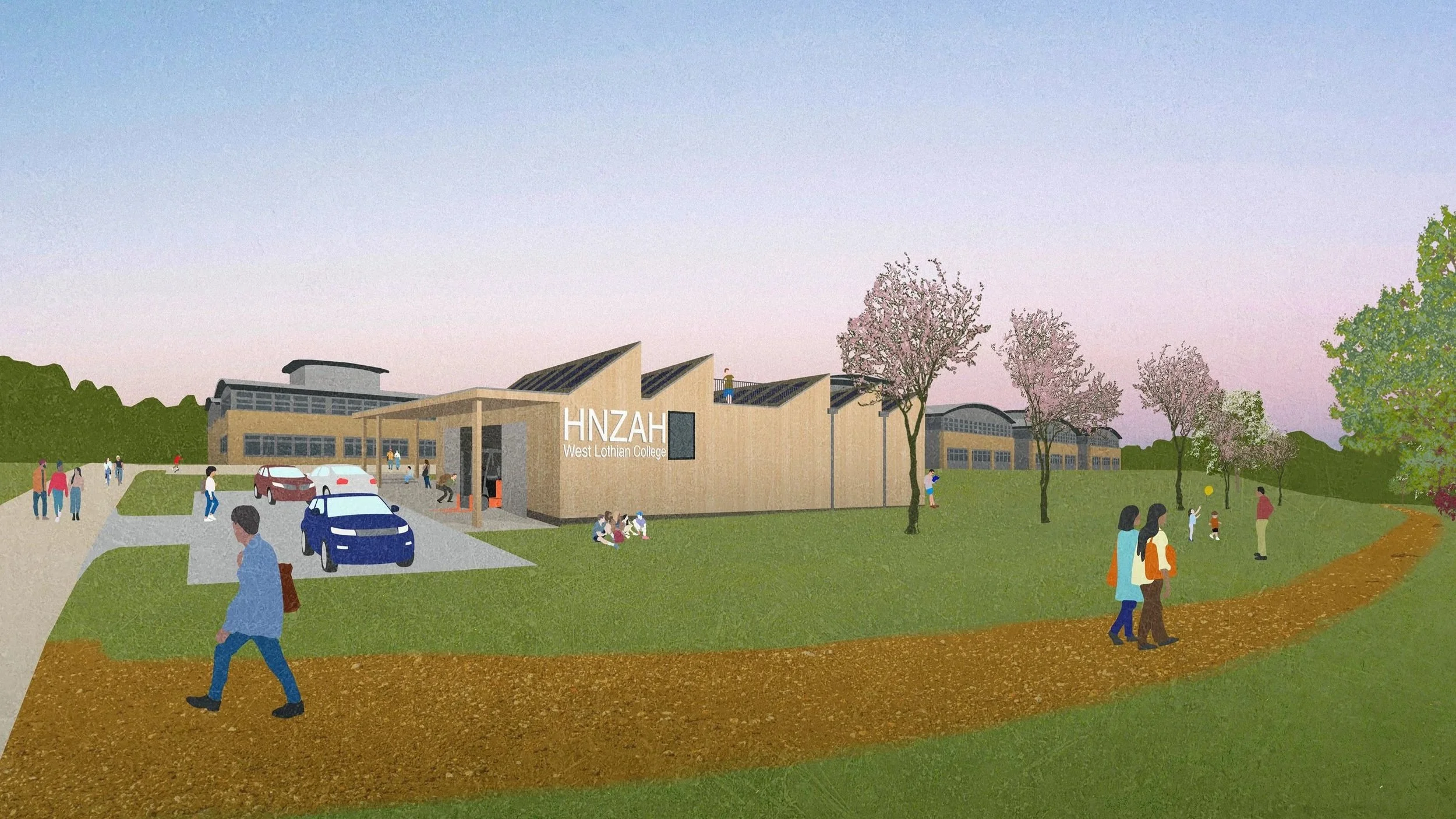
/Five new skills training centres across South East Scotland are to be created with £25m of UK Government funding, it was announced today.
The investment is part of an overall award of £37.8m for Edinburgh and South East Scotland City Region from the UK Government's Local Growth Fund and will support future housing delivery, retrofit and green economy jobs in the region. Additionally, the funds will drive regional employability and business growth initiatives, while financing transport planning and research into the impact of AI.
The UK Government has now released £14.09m to Edinburgh and South East Scotland Regional Partnership after signing off on its locally designed three-year Local Growth Fund investment plan, which targets areas with the lowest household incomes to create jobs and boost living standards. Funding for Years 2 and 3 will be rolled out as the region progresses through its plans.
Scottish Secretary Douglas Alexander said: "Today the UK Government is releasing more than £14 million to Edinburgh and South East Scotland partners who know their communities best.
“These funds will be crucial for addressing skills shortages, driving green innovation and removing barriers to local employment and infrastructure development.
“The UK Government is committed to empowering local communities by spreading power throughout the country. These funds will support local leaders throughout Scotland to create skilled jobs, help start up businesses and revive our local high streets."
Mr Alexander visited the West Lothian College Campus today, to launch the UK Local Growth Fund, see the site of the future training facility and meet students.
A partnership between the four regional colleges of Borders, Edinburgh, Fife, and West Lothian plans to train over 20,000 new entrants across the region over the coming decade as well as upskill existing workers.
South East Scotland is the fastest growing region in Scotland, with some of the highest housing demand for now and into the future. The new training hubs will be strategically important in the delivery of 40,000 new homes across the region’s seven strategic housing sites.
The training centre in the South of Scotland will also benefit from Scottish Government funding through the Borderlands Inclusive Growth Deal.
Cllr Norman Hampshire, Convener of the Edinburgh and South East Scotland City Region Partnership, said: “These training centres will empower thousands of residents across the region to upskill and launch high-quality careers in construction and green technologies like solar and heat pump installation.”
According to a report undertaken by the University of Edinburgh and West Lothian College, the region has a construction workforce of 57,000, of which 21,000 (34%) commute for work into the region from other parts of Scotland daily. The study identified that the region requires an additional 20,000 new entrants, upskilling roles and replacement construction workforce over the next 10 years.
The development bid proposal for the Housing and Net Zero Accelerator Hub (HaNZAH) training centres was jointly led by Simon Earp (Vice Principal at West Lothian Collage) and Professor Sean Smith (Chair of Future Construction at the University of Edinburgh).
In a joint statement the lead bid developers wish to acknowledge the support, input and consultations involving a wide range of key stakeholders from across the region. These included the bid proposal steering group involving construction, engineering and vice principal staff at Edinburgh College, Fife College, Borders College, West Lothian College and HCI Skills Gateway led by Edinburgh Napier University.
The underpinning data was supported by Fast Followers programme funded by Innovate UK and HCI Skills Gateway which assisted in reaching over 150 organisations including SMEs, public bodies, training providers and community groups. The analysis, presentations and reports were supported by the Centre for Net Zero High Density Buildings (CeNZ-HighDB) funded by UKRI.
The outline bid proposal was presented to a range of regional committees, which all provided valuable feedback and input, involving the IRES Board, HE-FE Committee, Regional Housing Board, Elected Members Oversight Committee (EMOC), Regional Enterprise Council, Joint Committee, Directors’ Group and the Executive Board involving senior executives and Leaders from the regions six local authorities.
Finally, the HaNZAH bid development team and steering group wish to acknowledge the excellent support throughout the bid development process from the Programme Management Office team based within the Edinburgh and South East Scotland City Region Partnership.